Hear! Hear!
Policy & Advocacy Services
We promote the use of biological research and knowledge in U.S. public policy.
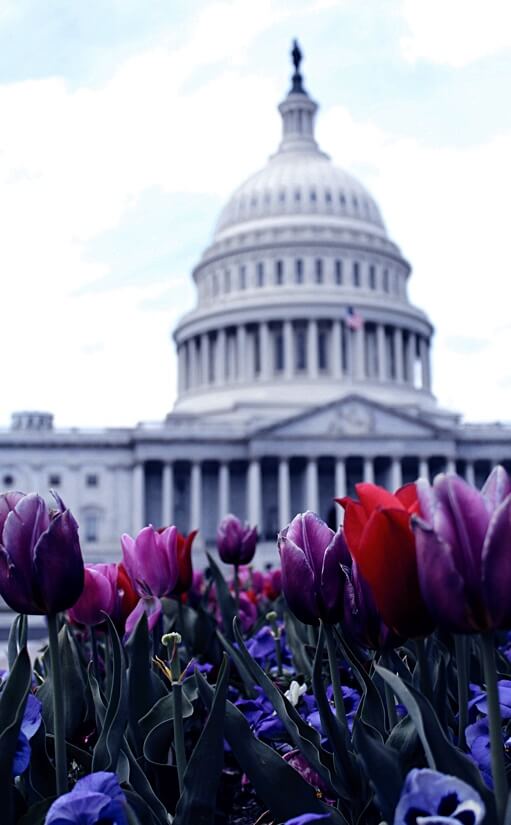
What We Do
The Public Policy Office advocates for public policy that serves the needs of researchers, educators, and other biological science professionals.
We help members of the scientific community be effective advocates for their work and to better influence the public debates that impact our profession.
Read about our recent accomplishments in the latest Public Policy Annual Report.
Stay Informed
AIBS offers several ways for you to stay up to date on the latest developments in science policy:
- Stay current on the latest science policy news.
- Subscribe to our bi-weekly science policy newsletter.
- Read the Washington Watch column in BioScience.
- Read our in-depth reports.
- Attend a training session.
Become a Science Advocate
Your voice is needed! Engage with your elected officials through one of our programs:
- AIBS Congressional Visits Day: Each spring, AIBS organizes meetings between scientists and congressional offices in Washington, DC. Participants receive communications and advocacy training.
- Biological Sciences Congressional District Visits: Each year, in summer and fall, participants meet with their elected officials in their home state to educate them about the scientific research and facilities in their district.
- Emerging Public Policy Leadership Award: AIBS recognizes graduate students who demonstrate an aptitude for working at the intersection of science and policy.
- AIBS & SURA Public Policy Fellowship: Current and recent graduate students can apply for this unique training opportunity which provides valuable first-hand experience in science policy.
- Help shape science policy through the AIBS Legislative Action Center: Receive timely information about relevant legislation and easily share your opinions with your lawmakers.
- Additional student opportunities: Fellowships, internships, and training opportunities in science policy.
Issues We Address
We work to ensure that policymakers understand the importance of investing in the biological sciences. The issues we address include:
- Funding for the biological sciences.
- Funding for research infrastructure, including scientific collections and field stations.
- Strengthening science education policy.
- Investing in the scientific workforce.
- Promoting scientific integrity and transparency.
Read our latest position statements.
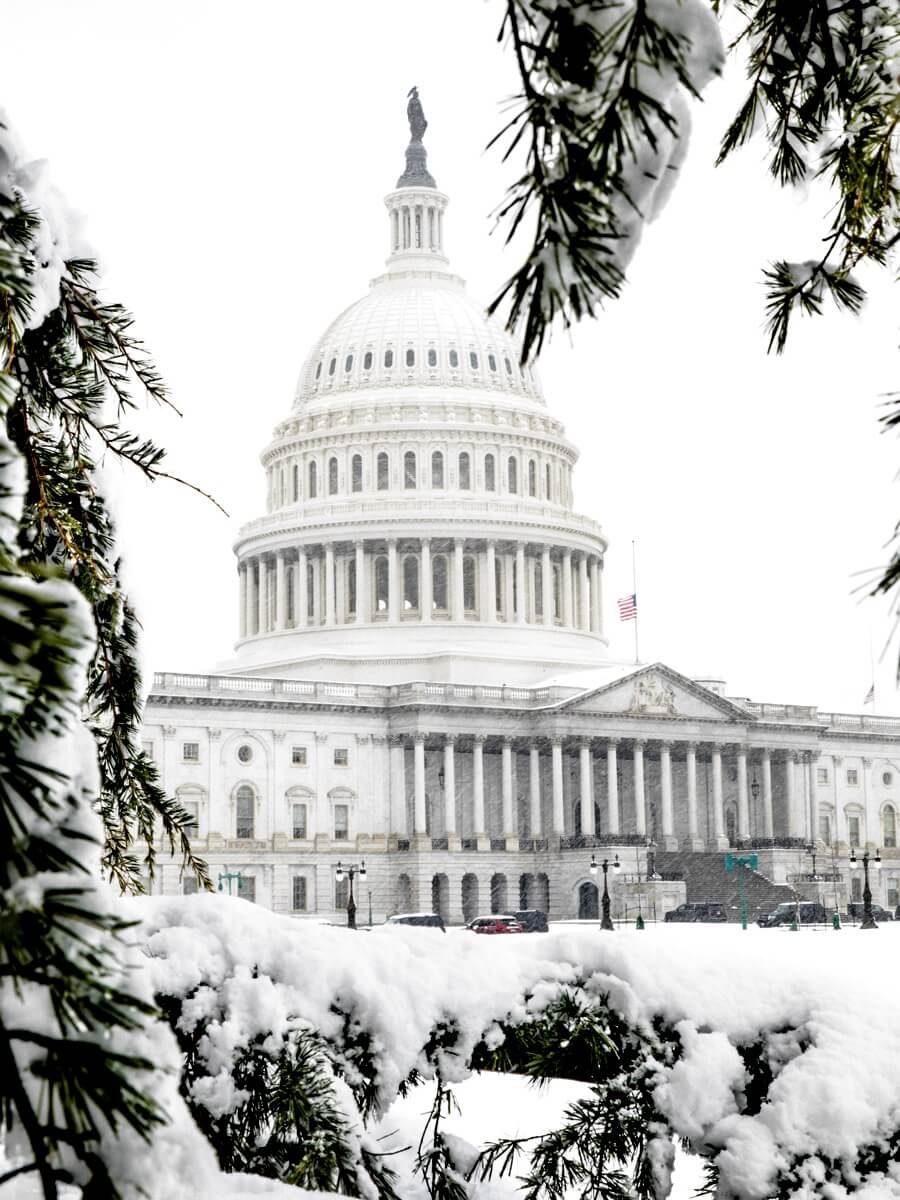
Who We Are
Our public policy staff are based in Washington, DC area.
The Public Policy Review Committee advises our work and is made up of representatives of AIBS societies and organizations.
Our contributors support the work of the Public Policy Office. Support us today!
Partner
Participant
- American Society of Ichthyologists and Herpetologists
- American Society of Mammalogists
- Association of Ecosystem Research Centers
- Organization of Biological Field Stations
- Society for Integrative and Comparative Biology
Additional Resources
For important fact sheets and details on the budgeting process, see our additional resources.